
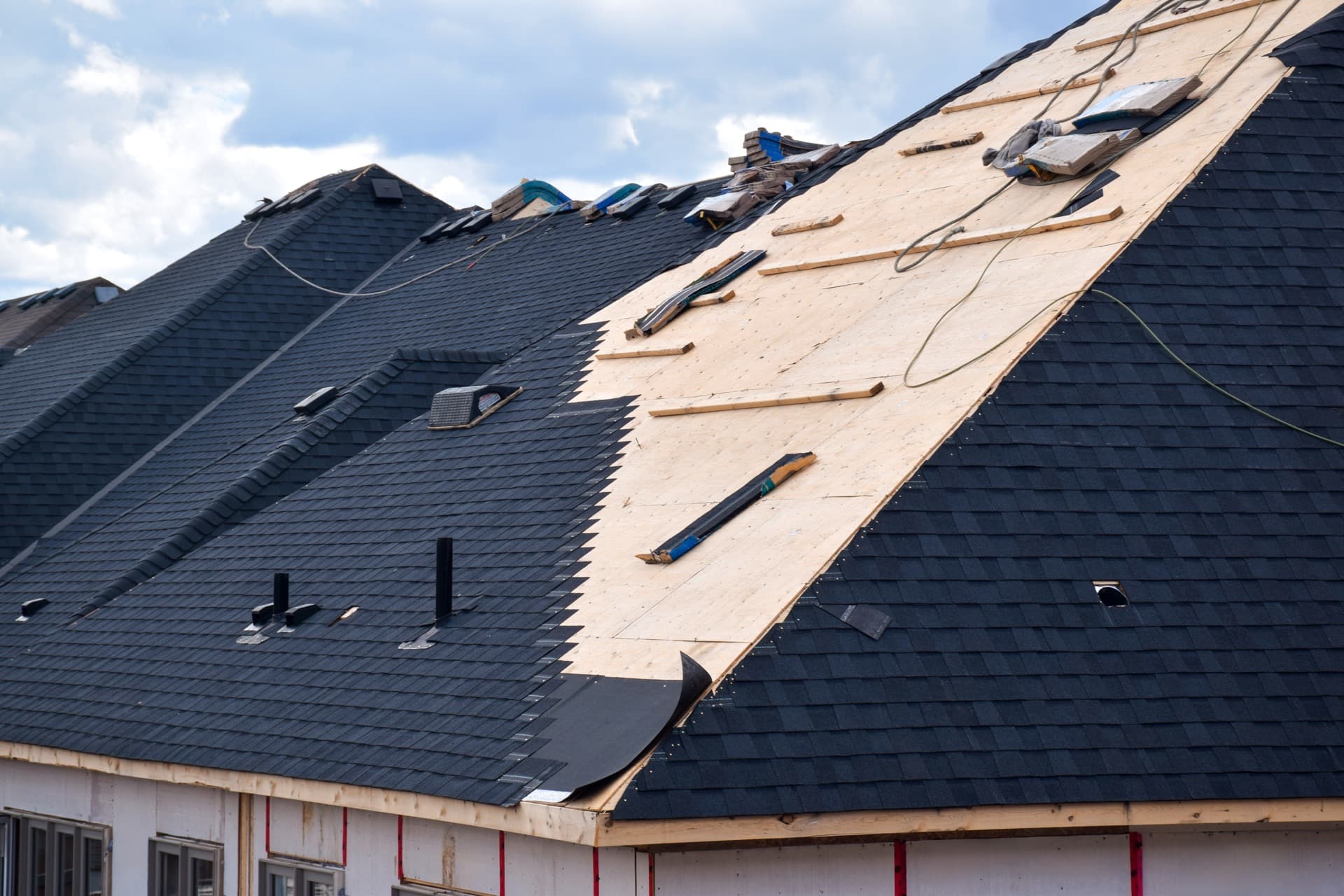
Most homeowners think about their roof in terms of keeping rain out. Fair enough. But the material sitting on top of your house is also one of the biggest factors in what you pay for homeowner's insurance, and almost nobody talks about it until renewal time rolls around with a surprise.
Impact-resistant shingles: the clearest discount
If you're planning a roof replacement, this is worth knowing upfront. Impact-resistant shingles carry a UL 2218 rating, and they come in two classes that matter for insurance. Class 3 shingles can handle a 1.75-inch steel ball drop test. Class 4 can take a 2-inch ball. The difference matters because some Washington insurers offer 5 to 15% premium discounts for impact-resistant roofs, and Class 4 gets the bigger number.
The math on Class 4 shingles
On a $2,000/year policy, a 10% discount saves $200 annually. Over a 25-year roof life, that's $5,000 in savings. The upgrade cost at installation is minimal since the labor is the same whether you pick standard or impact-resistant. Brands like Owens Corning (Duration FLEX) and CertainTeed (Landmark IR) are what we typically install when homeowners want the insurance benefit.
Metal roofs: lower premiums, but it varies
Metal roofs generally earn lower insurance premiums because of their fire resistance and high wind ratings. A standing seam metal roof can handle 140+ mph winds and won't catch fire from an ember. The catch is that not every carrier treats metal the same way. Some give a flat discount. Some only factor it into their overall risk score. Worth asking your agent specifically before you commit, especially if you're weighing it against impact-resistant shingles. Our material comparison guide covers the other trade-offs.
Cedar shake: the expensive outlier
Cedar shake roofs look great on PNW craftsman homes. They also tend to cost more to insure. The fire risk is the main reason. Cedar is combustible, and in wildland-urban interface (WUI) zones around parts of King County and east toward Issaquah and North Bend, some carriers won't write new policies on homes with untreated cedar roofs at all.
In a WUI zone or just want better rates?
Composite shake products like DaVinci or Brava offer a similar look with a Class A fire rating. That changes the insurance conversation entirely and usually puts you back in range of standard rates without giving up the craftsman aesthetic.
Roof age: honestly, this matters more than material
Here's what catches people off guard. The age of your roof affects your premium more than what it's made of. A roof over 20 years old can push your premium up significantly, and once you pass 25 years, some insurers won't write a new policy at all until the roof is replaced.
This is where the ACV vs. RCV distinction hits hard. Newer roofs with quality materials qualify for Replacement Cost Value (RCV) policies. That means if something happens, the insurer pays what it actually costs to replace the roof today. Older roofs get stuck with Actual Cash Value (ACV) coverage, which pays the depreciated amount. On a 20-year-old roof, that depreciation can cut your payout by 40 to 60%. Check out our guide on insurance and roof replacement to understand what you're likely to get.
| Roof Type | Fire Rating | Premium Effect |
|---|---|---|
| Class 4 Impact Shingles | Class 4 Impact | 5–15% discount |
| Standing Seam Metal | Class A Fire | Usually lower |
| Architectural Shingles | Class A Fire | Baseline |
| Cedar Shake | Class B/C | Higher cost |
| Untreated Cedar (WUI) | Class C | May not qualify |
The math on upgrading
Choosing between standard architectural shingles and Class 4 impact-resistant shingles on a typical Seattle home? The material upgrade adds roughly $1,500 to $2,500 to a full replacement. A discount of $150 to $300 per year pays that back in 8 to 12 years, and the roof lasts 25 to 30. Everything after the payback period is pure savings.
Impact-resistant shingles also hold up better in our winter storms, so you're reducing the chance of needing a storm damage claim. Fewer claims means your rates stay lower long term. It's one of those upgrades that actually pencils out.
Washington-specific resources
The Washington State Office of the Insurance Commissioner (insurance.wa.gov) lets you compare rates across carriers and file complaints if you feel you're being overcharged. If you're shopping for a new policy after a roof replacement, get quotes from at least three carriers with your new roof specs in hand. The difference between the cheapest and most expensive quote can be 30% or more for the same coverage.