
West Seattle feels like its own city. Separated from the rest of Seattle by the Duwamish River, it's a peninsula with its own weather, its own housing character, and its own roofing problems. The housing stock varies: the Junction and Genesee Hill have older Craftsman homes from the 1920s and 1930s, Highland Park and Gatewood lean toward mid-century ramblers, North Admiral has a mix of everything. Across all of it, we're seeing the same pattern: composition shingles installed in the 1990s that are now 25 to 30 years old and showing their age.
Wind exposure is the big one
The Duwamish Head and Alki areas face directly into Puget Sound. When winter storms blow in from the southwest, these homes take the full force of it. We see more lifted shingles, broken seal strips, and damaged ridge caps in Alki and North Admiral than in most inland Seattle neighborhoods. For exposed homes on the bluffs, material choice matters more than usual. Standard architectural shingles rated to 110 mph are fine for sheltered lots, but if your house sits on the west-facing slope above Alki Beach, you want a high-wind-rated product at 130 mph or above. Some manufacturers make impact-resistant shingles that also carry a Class 4 hail rating — worth considering on an exposed hilltop. Our best roofing materials for the PNW guide covers the options.
Salt air is a slow killer
Waterfront homes in Alki and along Beach Drive deal with salt air year-round. It doesn't destroy a roof overnight, but over 20 years it does real damage. Metal flashing corrodes faster. Sealants and caulk break down sooner. Zinc and copper strips that would last decades in Wallingford might need replacement in 10 to 15 years near the water. If you're within a few blocks of the shoreline, your roofer should be using corrosion-resistant flashing (stainless steel or coated aluminum, not bare galvanized) and marine-grade sealants. These cost a little more. They last a lot longer where it counts.
Hillside access makes some jobs harder
What hillside access actually means for your job
Fauntleroy, Arbor Heights, and parts of Gatewood sit on steep hillsides with narrow streets and homes built into the slope. Getting 80 bundles of shingles onto a roof where the truck can't park within 50 feet of the house is a real logistics problem. On a few West Seattle jobs, we've needed a crane lift to get materials onto the roof because there was no other way. That adds cost, but it's not optional when the terrain doesn't cooperate. Steep lots also mean more scaffolding and safety equipment, which shows up in the labor line of your estimate.
What a typical West Seattle replacement costs
The cost of a roof replacement in West Seattle runs roughly in line with the rest of Seattle, but a few factors can push it higher. Wind exposure means we're using six-nail patterns and hand-sealing edges on bluff-facing homes. Steep hillside lots add labor. Older homes in the Junction with multiple dormers and complex rooflines take longer than a straightforward rambler in Highland Park. Our Seattle roof replacement cost guide breaks down the numbers in detail. For a standard 2,000-square-foot West Seattle home with a moderate pitch and decent access, you're in the same general range as the rest of the metro. Add 10 to 20 percent for high-wind materials or difficult access.
Hidden costs to budget for
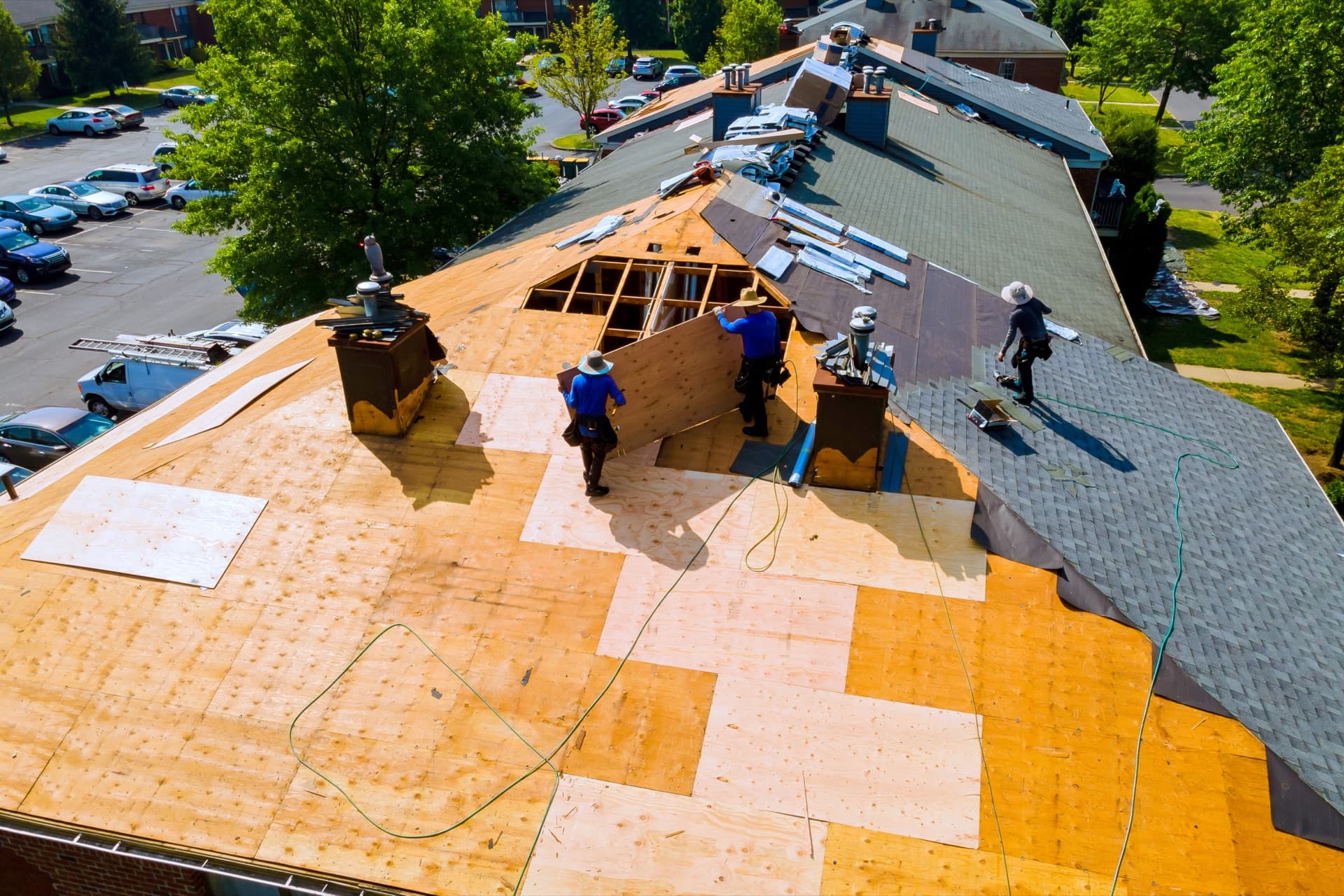
Rotted decking: While we're up there tearing off the old roof, we check the plywood decking. On a lot of West Seattle homes — especially near the water — we find soft spots where moisture has been working through for years. Replacing rotted sheathing isn't optional. A few sheets is normal on a 30-year-old roof. A full deck replacement is a different budget conversation — better to know about it before work starts rather than on day two. Ventilation: A lot of the mid-century ramblers in Highland Park and Gatewood have minimal ridge or soffit venting. Poor airflow traps moisture under the deck and shortens the new roof's life before it even gets a chance. We'll flag it during inspection if it needs work.
Get a proper roof inspection first — not a 'free estimate' where someone eyeballs it from the driveway. An actual inspection where a roofer gets up on the roof, checks the shingles, flashing, ventilation, and decking condition, and tells you what's really going on. That's how you avoid surprises halfway through the job. Want a quick starting number? Our roof cost estimator gives you a ballpark in about two minutes. Contact us for a firm written quote.