
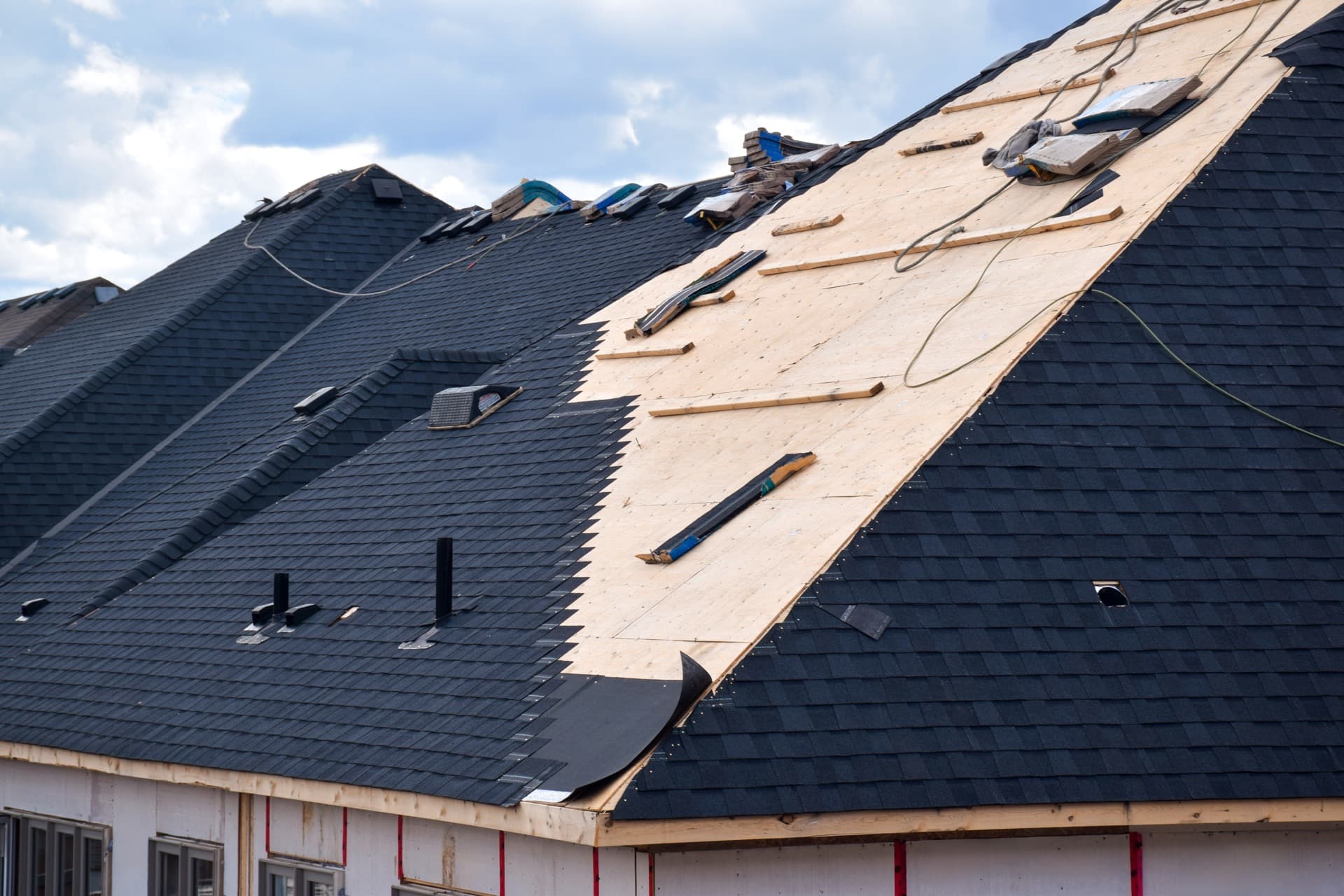
Picking a roofing material in the Pacific Northwest isn't the same decision as it is in Texas or Florida. Our problems are different. We don't get much hail. We don't get hurricanes. What we get is eight months of moisture, aggressive moss, 40 mph gusts off the Sound, and the occasional wet snow that sits on a roof for three days. The material you pick has to handle all of that for decades without constant babysitting. We've installed every type listed below on homes across Seattle, Bellevue, Kirkland, and south through Tacoma. Here's how they actually rank for this climate, with real 2026 installed pricing from our own quotes.
Material comparison: PNW rankings
| Material | Installed Cost / sq ft | PNW Lifespan | Moss Resistance | Verdict |
|---|---|---|---|---|
| Architectural shingles | $7–$9 | 25–30 yrs | Moderate | Best value |
| Standing seam metal | $12–$18 | 40–60 yrs | Better | Best overall |
| 3-Tab shingles | $5–$7 | 15–20 yrs | Poor | Avoid for primary home |
| Synthetic slate / composite | $10–$15 | 30–50 yrs | Good | High-end aesthetic |
| Cedar shake | $10–$14 | 20–25 yrs | Poor — moss grips grain | High maintenance |
| TPO / PVC membrane | $8–$12 | 20–30 yrs | Good | Flat roofs only |
1. Architectural shingles (the default, and for good reason)
What it is: A thicker, layered asphalt shingle with a dimensional look. GAF Timberline, Owens Corning Duration, and CertainTeed Landmark are the three lines we install most. Cost installed: $7 to $9 per square foot. A typical 2,000 sq ft Seattle roof runs $14,000 to $22,000 for a full tear-off and replacement. Our 2026 cost breakdown has more detail on what drives that range. PNW performance: Handles rain well. The layered design gives it better wind resistance than 3-tab (rated to 130 mph on most lines). Moss is the main enemy — regular cleaning keeps it in check. For a deeper look at why we almost always recommend architectural over the cheaper option, read our architectural vs. 3-tab comparison.
2. Standing seam metal
What it is: Interlocking metal panels with raised seams, no exposed fasteners. Usually steel or aluminum with a baked-on finish. Cost installed: $12 to $18 per square foot. That same 2,000 sq ft roof is now $24,000 to $36,000. PNW performance: Rain sheds off a metal roof like nothing else. The smooth surface resists moss better than any shingle, though shaded north slopes still get some growth. Noise is a non-issue with proper decking and underlayment underneath. We covered the full comparison in our metal roof vs. shingles breakdown.
3. 3-Tab shingles
What it is: The original flat asphalt shingle. Single layer, uniform look, lighter weight than architectural. Cost installed: $5 to $7 per square foot. Lifespan: 15 to 20 years in the PNW. The rated 25-year warranty rarely plays out here because the thinner profile wears faster under constant moisture. In a 50 mph gust, 3-tab lifts and tears where architectural stays down. When it still makes sense: Investment properties where you need a functional roof at the lowest price, or a small outbuilding where aesthetics don't matter. For your own house, spend the extra dollar per square foot and get architectural.
4. Synthetic slate and composite
What it is: Engineered materials (usually polymer or rubber-based) molded to look like natural slate or shake. DaVinci and Brava are the brands we see most. Cost installed: $10 to $15 per square foot. PNW performance: Good rain shedding, Class A fire rating, and better moss resistance than asphalt due to the smoother surface texture. The weight is lighter than real slate, so no structural upgrades needed. Cons: Limited installer base in Seattle, fewer real-world track records in this climate, and the per-foot cost pushes into metal territory where metal has a proven 50-year record here.
5. Cedar shake
What it is: Split or sawn western red cedar, the classic PNW roofing material. Cost installed: $10 to $14 per square foot — more than shingles, less than metal, and maintenance costs add up. Lifespan: 20 to 25 years if maintained. Closer to 15 if it's not. Cedar needs periodic cleaning, treating, and recoating or it cups, splits, and rots. Moss loves cedar because the grain texture gives it something to grip. Fire rating is Class C unless treated, which is a real issue in wildfire-risk zones around Issaquah and east Sammamish. Cedar is declining for good reason. Most homeowners replacing an old cedar roof today switch to architectural shingles or synthetic shake.
6. TPO/PVC membrane (flat and low-slope roofs)
What it is: Single-ply membrane systems heat-welded at the seams. TPO (white) and PVC are the standard for flat and low-slope commercial and residential sections. Cost installed: $8 to $12 per square foot. Lifespan: 20 to 30 years for quality TPO. PVC runs a bit longer. Standing water is the enemy of shingles, but membrane handles ponding fine as long as drainage is working. If your home has a flat section (a lot of mid-century Seattle ramblers do), TPO or PVC is the right call for that portion.
The verdict
Best value: Architectural shingles. They hit the sweet spot of cost, lifespan, and performance for 80% of PNW homes. Get them installed right, keep the moss off, and you'll get a solid 25 to 30 years. Best overall (if budget allows): Standing seam metal. Double the upfront cost, but it lasts twice as long, sheds moss better, and handles PNW wind and rain like it was built for it. Because it kind of was.
Every house is different, and material choice depends on pitch, budget, aesthetics, and how long you're planning to stay. If you want to talk through what makes sense for your specific roof, get in touch with us and we'll walk you through the options. For homeowners weighing a full roof replacement, we're happy to bring samples and quote multiple materials side by side.